


Why a Contact Lens Exam Starts with a Regular Eye Exam
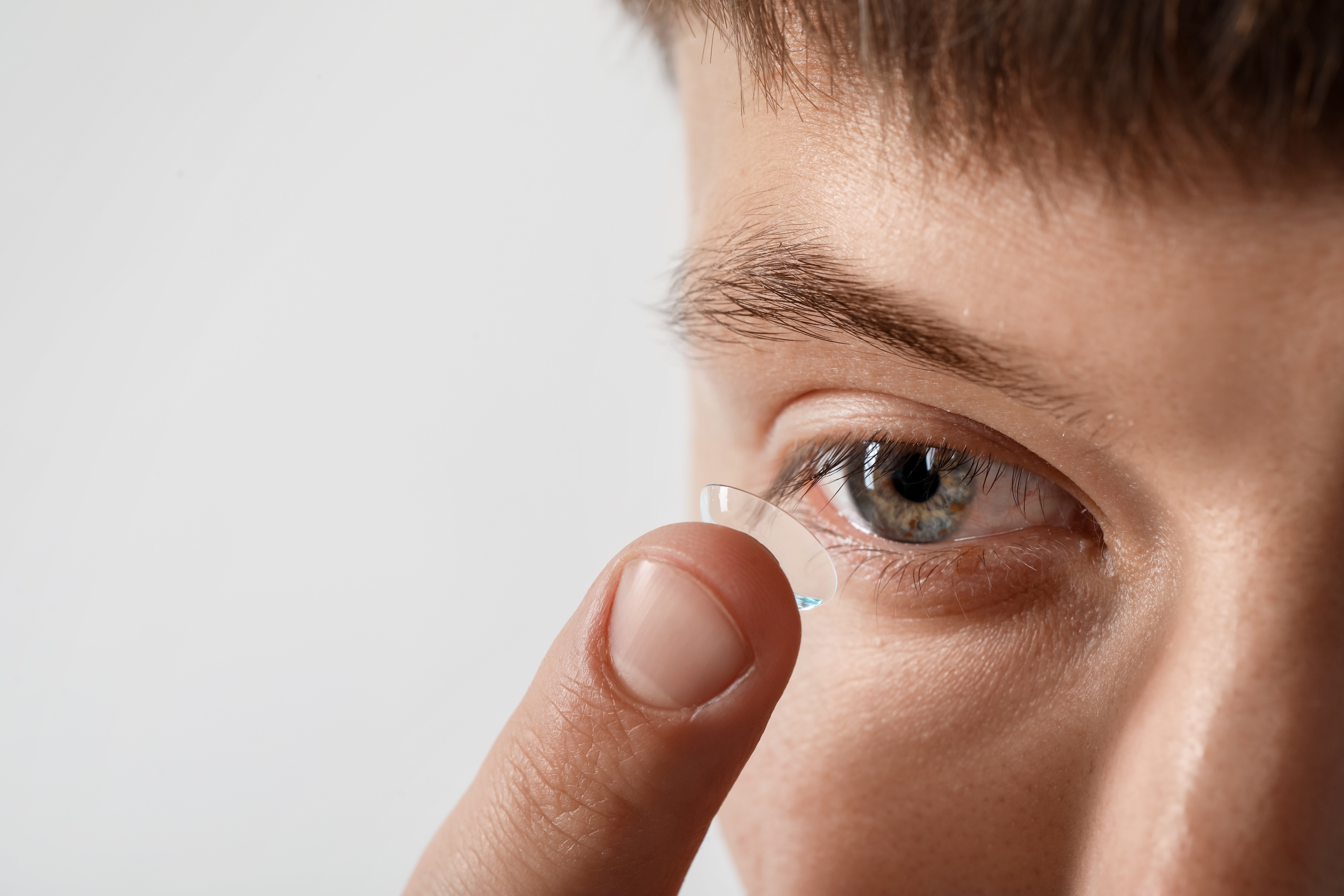
A comprehensive eye exam checks your overall vision and eye health. It can detect prescription changes and screen for concerns like dry eye, glaucoma risk, or eye disease. A contact lens exam builds on that foundation and adds extra testing and decision-making that is specific to wearing contacts safely and comfortably.
Contacts Have a Different Prescription Than Glasses
Even when your numbers look similar, a contact lens prescription is not the same as a glasses prescription. Contacts sit directly on the surface of the eye, so your doctor must account for factors like lens position, curvature, and how the lens moves with each blink. That is why an up-to-date glasses prescription alone is not enough to order contacts.
Extra Measurements to Match Your Eyes
A contact lens exam includes precise measurements that a standard eye exam may not require. These details help your optometrist choose the right lens size and shape for your cornea so the lens centers well and stays stable throughout the day. This is especially important for patients with astigmatism, higher prescriptions, or more sensitive eyes.
Lens Fitting and Comfort Checks Matter
During a contact lens fitting, your doctor evaluates how the lenses sit on your eye, how they move, and whether they provide clear, stable vision. You may try trial lenses so your optometrist can assess comfort and ensure healthy oxygen flow to the cornea. If the fit is not ideal, the lens type, brand, material, or parameters may be adjusted to reduce irritation and improve wearing time.
Specialty Contact Lenses for Unique Vision Needs
Some eyes need more than standard soft contacts. Specialty contact lenses are designed for patients who have higher prescriptions, significant astigmatism, irregular corneas, or ongoing comfort issues. Two common options include:
Rigid Gas-Permeable (RGP) Lenses: These lenses hold their shape, which can deliver sharper vision for certain prescriptions and provide a stable option for patients who need more precise optics than soft lenses can offer.
Scleral Lenses: Larger lenses that rest on the white of the eye and vault over the cornea. They are often helpful for irregular corneas and can improve comfort by maintaining a smooth, hydrated surface over the eye.
During your contact lens exam, your optometrist can determine whether a specialty lens is a better match based on your measurements, eye health, and visual goals.
Tear Film and Dry Eye Evaluation Is Often Part of the Process
Contacts can feel great - or miserable - depending on your tear quality. Many patients do not realize that mild dryness can become more noticeable with contacts, especially with extended screen time, allergy seasons, or certain medications. A contact lens exam often includes a closer look at the tear film and eyelid health so your doctor can recommend the best lens material and replacement schedule for your eyes.
What to Expect at Your Contact Lens Visit
- Bring your current glasses and any contact lens boxes if you have them
- Expect extra time for measurements and a fitting evaluation
- Be ready to discuss your daily routine, work hours, and screen use
- If you are new to contacts, plan for insertion and removal training
- Follow-up visits may be recommended to confirm long-term comfort and eye health
To get fitted for clear, comfortable vision, schedule a comprehensive eye exam at Perspective Eye Care and Eye Wear. Visit our office in Cullman, Alabama, or call (256) 692-1464 to book an appointment today.


Contact Us
let's keep in touch!


Contact Information
Hours Of Operation
Monday 08:00 AM - 04:30 PM
Tuesday 08:00 AM - 04:30 PM
Wednesday 08:00 AM - 04:30 PM
Thursday 08:00 AM - 04:30 PM
Friday Available by Special Appointment Request
Saturday Closed
Sunday Closed
*We also see patients after hours by appointment
© 2026 Perspective Eye Care and Eye Wear. | All Rights Reserved. | Accessibility Statement | Privacy Policy |Terms & Conditions | Sitemap
Powered by: 
