


Who Is Most at Risk for Glaucoma?
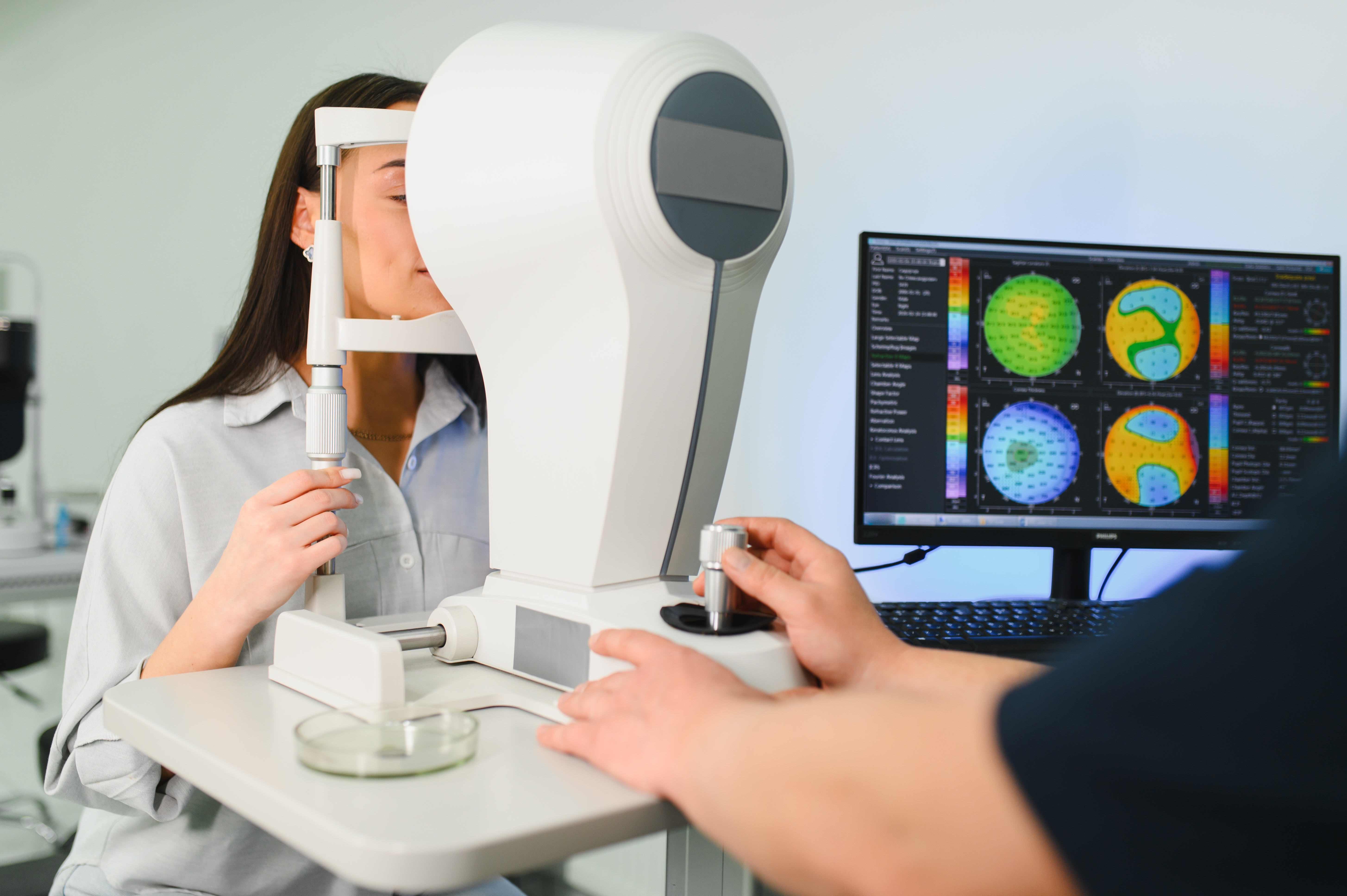
Glaucoma is one of the leading causes of vision loss, and it often develops without noticeable symptoms in the early stages. Many people do not realize they have it until permanent vision changes have already occurred. That is why understanding your glaucoma risk factors and keeping up with routine eye exams is so important.
What Is Glaucoma?
Glaucoma is a group of eye diseases that damage the optic nerve, which sends visual information from the eye to the brain. In many cases, this damage is linked to increased pressure inside the eye, though glaucoma can also occur when eye pressure is within a normal range.
Because the optic nerve cannot repair itself once damaged, early detection is key. A comprehensive eye exam can help identify warning signs before vision loss becomes advanced.
Age Is a Major Risk Factor
Anyone can develop glaucoma, but the risk increases with age. Adults over 40 should be especially aware of changes in their eye health, and those over 60 have a higher chance of developing the condition. Even if your vision feels normal, routine exams allow your eye doctor to monitor eye pressure, optic nerve health, and other indicators that may point to glaucoma.
Family History Can Make a Difference
Glaucoma can run in families. If a parent, sibling, or close relative has been diagnosed with glaucoma, your own risk may be higher. This does not mean you will definitely develop the disease, but it does mean regular eye exams should be a priority. Sharing your family eye health history with our optometrist helps guide how often you should be checked and what testing may be recommended.
Other Common Glaucoma Risk Factors
Some people have a higher risk of glaucoma because of health, eye, or lifestyle factors. These may include:
- High eye pressure
- A family history of glaucoma
- Diabetes or high blood pressure
- Thin corneas
- Severe nearsightedness or farsightedness
- Previous eye injuries
- Long-term steroid use
- Being over age 40, especially over age 60
If any of these apply to you, it is important to schedule regular comprehensive eye exams rather than waiting for symptoms.
Why Glaucoma Can Be Hard to Notice
Glaucoma is often called the “silent thief of sight” because it usually affects peripheral vision first. Since central vision can remain clear early on, many people do not notice a problem right away.
By the time blurry vision, tunnel vision, or noticeable blind spots appear, optic nerve damage may already be significant. Early testing gives your eye doctor the best chance to detect glaucoma before it impacts daily life.
How Eye Exams Help Protect Your Vision
A comprehensive eye exam does more than update your glasses or contact lens prescription. It allows your optometrist to evaluate the overall health of your eyes, including the structures most affected by glaucoma.
Testing may include measuring eye pressure, examining the optic nerve, checking peripheral vision, and using imaging technology when needed. These tools help track changes over time and support earlier diagnosis.
When to Schedule a Glaucoma Screening
If you are at higher risk for glaucoma, your eye doctor may recommend exams more often than once a year. You should also schedule an appointment if you notice changes in side vision, eye pain, halos around lights, or sudden blurry vision. Glaucoma cannot always be prevented, but early detection and ongoing care can help protect your sight.
Schedule a comprehensive eye exam with Perspective Eye Care and Eye Wear to stay ahead of glaucoma with early detection. Visit our office in Cullman, Alabama, or call (256) 692-1464 to book an appointment today


Contact Us
let's keep in touch!


Contact Information
Hours Of Operation
Monday 08:00 AM - 04:30 PM
Tuesday 08:00 AM - 04:30 PM
Wednesday 08:00 AM - 04:30 PM
Thursday 08:00 AM - 04:30 PM
Friday Available by Special Appointment Request
Saturday Closed
Sunday Closed
*We also see patients after hours by appointment
© 2026 Perspective Eye Care and Eye Wear. | All Rights Reserved. | Accessibility Statement | Privacy Policy | Sitemap
Powered by: 
