


What Causes Cataracts and How Are They Treated?
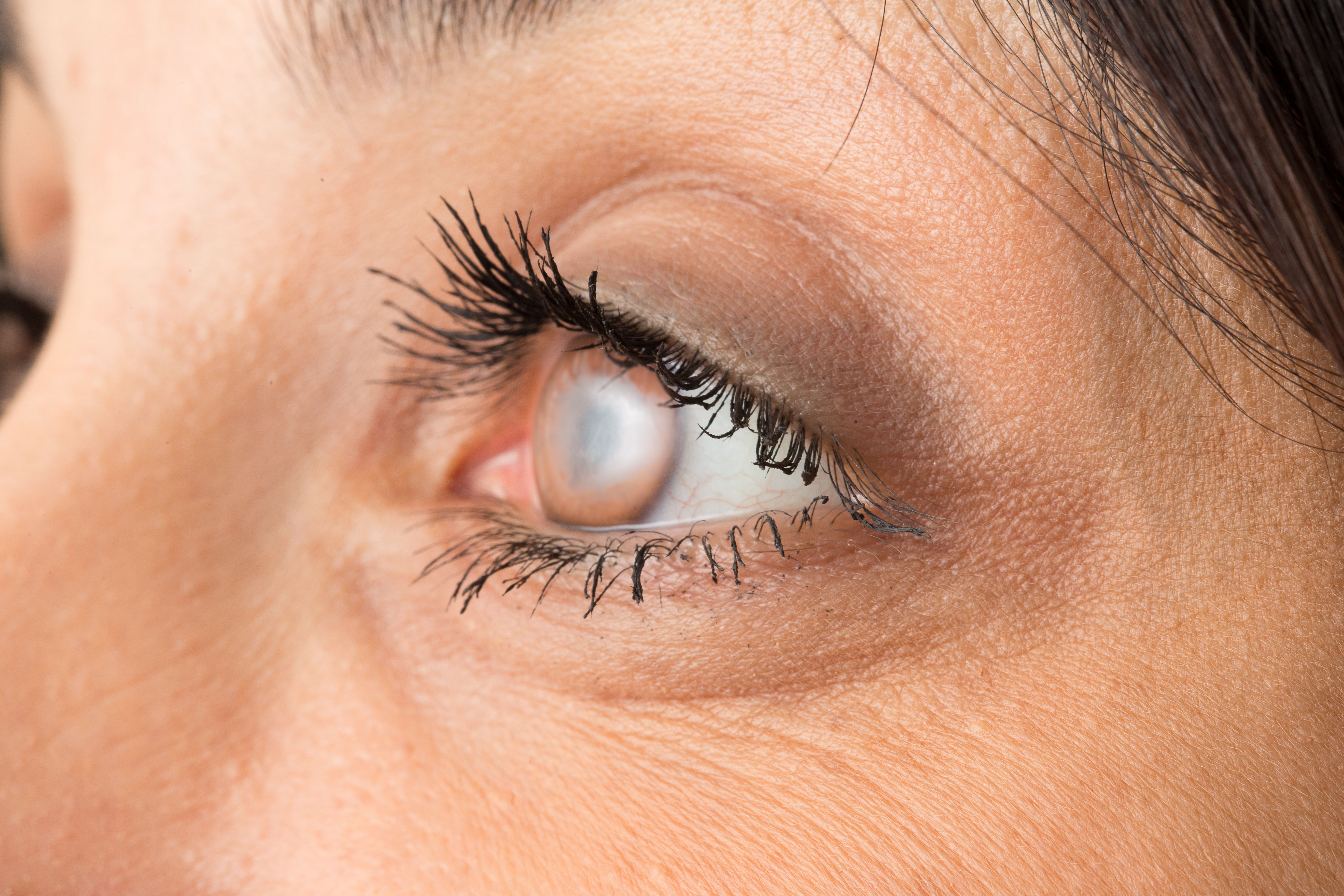
Cataracts are one of the most common causes of vision changes, especially as people get older. Many people first notice cloudy vision, increased glare from lights, or colors that appear duller than usual. Because cataracts develop slowly, the changes may seem minor at first, but they can eventually interfere with daily activities like reading, driving, or using digital devices. Understanding what causes cataracts and how they are treated can help you take steps to protect your vision.
What Are Cataracts?
A cataract occurs when the eye’s natural lens becomes cloudy. The lens normally works to focus light onto the retina so you can see clear images. Over time, proteins within the lens can begin to break down and clump together, causing the lens to lose its transparency.
As the lens becomes cloudier, light cannot pass through properly, leading to blurry or dim vision. Cataracts typically develop gradually and may affect one or both eyes.
Common Causes of Cataracts
While aging is the most common cause of cataracts, several other factors can increase the risk.
Aging
Most cataracts are age-related. As the eye’s lens naturally changes over time, proteins can break down and form cloudy areas.
UV Exposure
Long-term exposure to ultraviolet (UV) rays from the sun can damage the lens and accelerate cataract formation, especially without proper eye protection.
Medical Conditions
Health conditions such as diabetes can increase the likelihood of developing cataracts earlier in life.
Smoking and Alcohol Use
Smoking introduces harmful toxins that can damage eye tissues, and excessive alcohol use may increase oxidative stress that affects eye health.
Eye Injuries or Certain Medications
Eye trauma and long-term use of medications like corticosteroids may also contribute to cataract development.
Symptoms of Cataracts
Because cataracts develop slowly, symptoms often appear gradually. Common signs include:
- Blurry or cloudy vision
- Sensitivity to light and glare
- Difficulty seeing at night
- Colors appearing faded or yellowed
- Halos around lights
- Frequent changes in eyeglass prescriptions
If these symptoms begin affecting your daily life, an eye exam can help determine if cataracts are the cause.
How Cataracts Are Diagnosed
Cataracts are diagnosed during a comprehensive eye exam. Your eye doctor will evaluate your vision and examine the structures of your eye using specialized instruments. Dilating the eyes allows the doctor to closely examine the lens and retina to detect cataracts and other eye conditions.
Regular eye exams are important because cataracts can often be detected early before they significantly affect vision.
Cataract Treatment Options
Treatment depends on the severity of the cataract and how much it affects your vision.
In the early stages, vision changes may be managed with updated eyeglasses, magnifying lenses, or improved lighting. These adjustments can help maintain clear vision for a period of time.
When cataracts begin to interfere with everyday activities such as reading or driving, cataract surgery is the most effective treatment. During this procedure, the cloudy natural lens is removed and replaced with a clear artificial lens called an intraocular lens (IOL).
Cataract surgery is a common outpatient procedure with a high success rate, and most patients experience significant improvements in vision afterward.
Protecting Your Eye Health
Although cataracts cannot always be prevented, certain habits may help slow their development. Wearing UV-protective sunglasses, maintaining healthy blood sugar levels, avoiding smoking, and eating a balanced diet rich in nutrients can support long-term eye health. Regular eye exams are also essential for monitoring changes in your vision.
Stay Ahead of Cataracts With Regular Eye Care
Cataracts are a common part of the aging process, but they do not have to permanently impact your quality of life. Recognizing the symptoms early and seeking routine eye care can help ensure timely treatment. With modern diagnostic tools and effective surgical options, cataracts can be successfully treated and clear vision can often be restored.
If you’re experiencing cloudy vision, glare, or difficulty seeing clearly, schedule a comprehensive eye exam at Perspective Eye Care and Eye Wear. Visit our office in Cullman, Alabama, or call (256) 692-1464 to book an appointment today.


Contact Us
let's keep in touch!


Contact Information
Hours Of Operation
Monday 08:00 AM - 04:30 PM
Tuesday 08:00 AM - 04:30 PM
Wednesday 08:00 AM - 04:30 PM
Thursday 08:00 AM - 04:30 PM
Friday Available by Special Appointment Request
Saturday Closed
Sunday Closed
*We also see patients after hours by appointment
© 2026 Perspective Eye Care and Eye Wear. | All Rights Reserved. | Accessibility Statement | Privacy Policy | Sitemap
Powered by: 
