


Pediatric Vision Exams vs. School Screenings in Cullman County: What Parents Need to Know
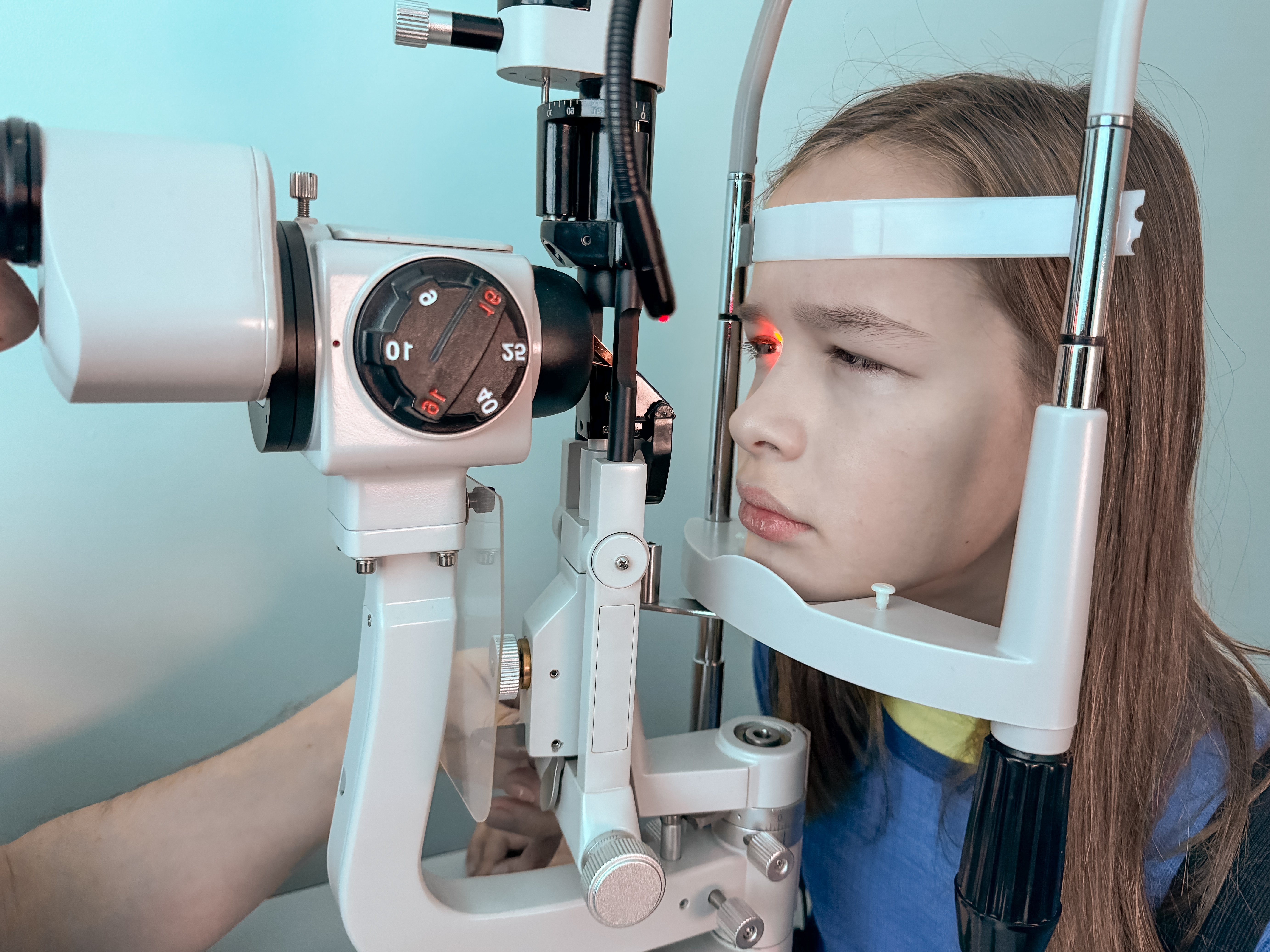
School vision screenings provide a useful first check for children, but passing one does not always answer every question about how a child's eyes are functioning. A screening is designed to identify children who may need further evaluation, while a comprehensive pediatric eye exam takes a more detailed look at vision and overall eye health.
At Perspective Eye Care and Eye Wear in Cullman, we provide comprehensive eye exams for children at different stages of development. Understanding the difference between a school screening and an eye exam can help Cullman County parents know when additional testing may be worthwhile.
What Does a School Vision Screening Check?
The exact testing varies between schools and screening programs. Many screenings place a strong emphasis on visual acuity, or how clearly a child can identify letters or symbols at a particular distance. Some programs may also check other basic aspects of vision.
Screenings are valuable because they can flag children who appear to have reduced vision or another concern that deserves professional evaluation.
However, a screening is not intended to diagnose an eye condition or provide a prescription. If a child does not pass, a comprehensive examination with an eye care professional is generally the next step.
What Does a Pediatric Eye Exam Evaluate?
A comprehensive pediatric vision exam is performed by an eye doctor and provides a more detailed assessment.
Depending on the child's age and needs, an exam may evaluate:
- Distance and near visual acuity
- Nearsightedness, farsightedness, and astigmatism
- Eye alignment and coordination
- Focusing ability
- Depth perception
- Color vision when appropriate
- Overall eye health
At Perspective Eye Care and Eye Wear, pediatric exams are designed to evaluate the visual skills children rely on as they learn, read, play sports, and complete everyday activities.
Can a Child Pass a Screening and Still Have Vision Problems?
Yes. A child who sees the distance eye chart clearly may still experience other visual difficulties.
For example, some children struggle with focusing up close, coordinating the two eyes, or maintaining comfortable vision during extended reading. These issues may not always be obvious during a basic distance screening.
A child also may not complain because they assume everyone sees the same way they do. Instead, parents or teachers may notice behaviors such as frequent squinting, eye rubbing, headaches, losing their place while reading, moving close to screens, or avoiding visually demanding schoolwork.
Passing a screening is reassuring, but persistent symptoms still deserve attention.
Why Vision Matters in the Classroom
School places significant demands on a child's visual system. Students continually shift their focus between books, tablets, worksheets, teachers, and classroom boards.
Nearsightedness can make the board blurry, while focusing or coordination difficulties may make prolonged near work uncomfortable. Some vision problems can also change as children grow, especially during the school years.
A comprehensive eye exam can determine whether a vision issue is contributing to symptoms and whether glasses, monitoring, or another form of care is appropriate.
When Should Cullman County Parents Schedule an Eye Exam?
An eye exam is especially important when a child fails a school screening, complains of blurry or double vision, develops recurring headaches during visual tasks, frequently squints, or shows other signs of difficulty seeing.
Parents should also consider an examination when there is a family history of significant eye conditions or when a child's pediatrician, school, or teacher raises a concern.
Vision problems are not the only possible reason a child may struggle academically, and an eye exam does not diagnose learning disabilities. It can, however, help rule out or identify visual issues that may be making classroom tasks harder than necessary.
If you have questions about your child's eyesight or want a more detailed evaluation beyond a school vision screening, schedule a pediatric eye exam with Perspective Eye Care and Eye Wear at 421 3rd Ave. SE #140, Cullman, AL 35055, or call (256) 692-1464.


Contact Us
let's keep in touch!


Contact Information
Hours Of Operation
Monday 08:00 AM - 04:30 PM
Tuesday 08:00 AM - 04:30 PM
Wednesday 08:00 AM - 04:30 PM
Thursday 08:00 AM - 04:30 PM
Friday Available by Special Appointment Request
Saturday Closed
Sunday Closed
*We also see patients after hours by appointment
© 2026 Perspective Eye Care and Eye Wear. | All Rights Reserved. | Accessibility Statement | Privacy Policy | Sitemap
Powered by: 
