


Can Diabetes Increase Your Risk of Cataracts?
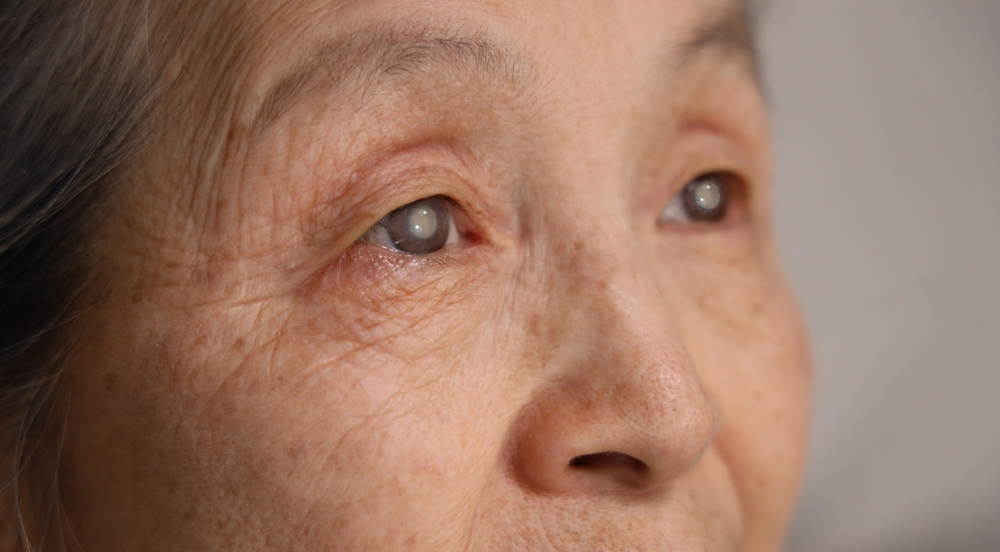
Diabetes can affect many parts of the body, including your eyes. While most people associate diabetes with conditions like diabetic retinopathy, it can also increase your risk of developing cataracts. Understanding how diabetes impacts eye health is an important step in protecting your vision and catching problems early.
What Are Cataracts?
Cataracts occur when the normally clear lens of the eye becomes cloudy. This clouding can cause blurred vision, glare from lights, difficulty seeing at night, and colors appearing faded. Cataracts often develop slowly and are commonly associated with aging, but certain health conditions can cause them to form earlier or progress more quickly.
How Does Diabetes Increase Cataract Risk?
People with diabetes are more likely to develop cataracts at a younger age compared to those without diabetes. Elevated blood sugar levels can change the chemical balance within the eye’s lens. Over time, excess glucose can cause the lens to swell and become cloudy, leading to cataract formation.
Additionally, long-term fluctuations in blood sugar can accelerate changes in the lens structure, increasing both the likelihood and severity of cataracts. Even individuals with well-managed diabetes remain at a higher risk compared to non-diabetic individuals.
Early Signs of Cataracts in Patients with Diabetes
Cataract symptoms may appear gradually and can sometimes be mistaken for normal vision changes. Common signs include:
Blurry or cloudy vision
Increased sensitivity to light or glare
Trouble seeing at night
Frequent changes in glasses or contact lens prescriptions
Fading or yellowing of colors
Because these symptoms can overlap with other diabetes-related eye conditions, professional eye exams are essential for accurate diagnosis.
The Importance of Routine Eye Exams
Routine comprehensive eye exams are critical for patients with diabetes. Regular exams allow your eye doctor to detect cataracts early, monitor their progression, and identify other diabetes-related eye conditions such as diabetic retinopathy or glaucoma.
Early detection often leads to better outcomes. While cataracts may not require immediate treatment in the early stages, monitoring ensures that vision changes are addressed before they begin to interfere with daily activities. For individuals with diabetes, annual eye exams - or more frequent visits if recommended - are one of the most effective ways to protect long-term vision.
Stay Ahead of Diabetes-Related Eye Changes
Diabetes can increase your risk of developing cataracts - and often at an earlier age. The good news is that with proactive care, regular eye exams, and proper diabetes management, many vision complications can be detected early and effectively managed.
If you have diabetes or are experiencing symptoms of cataracts, schedule an eye exam at Perspective Eyecare and Eyewear today. Visit our office in Cullman, Alabama, or call (256) 692-1464 to book an appointment.


Contact Us
let's keep in touch!


Contact Information
Hours Of Operation
Monday 08:00 AM - 04:30 PM
Tuesday 08:00 AM - 04:30 PM
Wednesday 08:00 AM - 04:30 PM
Thursday 08:00 AM - 04:30 PM
Friday Available by Special Appointment Request
Saturday Closed
Sunday Closed
*We also see patients after hours by appointment
© 2026 Perspective Eye Care and Eye Wear. | All Rights Reserved. | Accessibility Statement | Privacy Policy | Sitemap
Powered by: 
